

Japan’s new government has had to take a crash course in international diplomacy as it learns foreign policy on the job.
FROM curtailed Chinese tourism revenues to a suspended summit of Chinese, Japanese and South Korean leaders, Tokyo continues to reap the fallout from novice Prime Minister Sanae Takaichi’s combative style.
Just 17 days into taking office, she unnerved Chinese leaders by suggesting that Japan may attack China if Beijing forcibly reclaimed Taiwan. This was the most extreme declaration by any Japanese leader in decades.
Takaichi’s far-right foreign policy was not unexpected given her political record, but its extent and in coming so early in her term raised uncomfortable geopolitical temperatures.
Japan’s liabilities in foreign relations continue to grow, not only with China but also much of Asia devastated by its wartime aggression. China reacted most robustly because it suffered Imperial Japan’s worst depredations within living memory, with tens of millions of civilians slaughtered and many more brutalised.
Unlike Germany that has fully atoned for its WWII atrocities, Japan has not. Takaichi belongs to an ultranationalist faction of the Liberal Democratic Party and is a leading member of the unrepentant Nippon Kaigi (NK) organisation that routinely denies Japan’s war crimes and praises its convicted war criminals as heroes.
Japan and China may one day fully normalise relations, but not yet. The wounds of war still run deep, their gravity further aggravated by a government that denies its horrors at the highest levels.
Hitler’s Holocaust still haunts a postwar West that continues to
give Israel a blank cheque to do anything. Revulsion at Imperial Japan’s even worse massacres in China may take longer to subside.
What upsets China further is Takaichi’s cavalier indifference to the facts. Most countries including the US and Japan have long had a one-china policy that does not recognise Taiwan as an independent nation, yet Japan’s Common Defence doctrine she cited for Taiwan applies only to assistance for sovereign nations.
This implies that no basis exists for identifying Taiwan’s perceived security interests with Japan’s. Even efforts to repudiate Article 9 of Japan’s postwar peace Constitution through re-interpretation have been denounced by critics as unconstitutional.
Attempts at re-interpretation to allow for greater assertiveness are not widely accepted. It remains a highly controversial issue at home and abroad.
Japan’s hope to become a ‘normal country’ no longer beholden to postwar US tutelage is neither unreasonable nor limited to ultra-conservatives, provided it can acknowledge its own past, recognise current realities and engage its neighbours fully with ‘normal’ trust and confidence. That cannot happen with revisionist leaders who are politically unreformed and historically delusional bent on rewriting history.
Takaichi’s statement about possibly attacking a China that has not attacked it is reason enough for widespread alarm. Japan did precisely that to China and a slew of other countries by people who remain unapologetic about Pearl Harbor and other tragedies.
That loose and dodgy interpretation of Japan’s national security interests prompted President Xi to call up his US counterpart and recount how China and the US were once allies in the war against fascism. President Trump then advised Takaichi to cool off.
Even Asian countries inspired by Japan’s rapid industrialisation and economic growth remain wary of its ultra-nationalists’ fascination with remilitarisation. Japan’s postwar rise was made possible only with conciliatory relations with its neighbours.
NK members have included former Prime Ministers Shinzo Abe and Shigeru Ishiba, but they have been less extreme than Takaichi. Following her outburst last month, Ishiba openly and repeatedly reprimanded her.
Although the late Abe championed the Us-led Quadrilateral Security Dialogue (Quad) in trying to isolate China, he later relented. In 2017 he declared Japan was ready to join the China-led Belt and Road Initiative (BRI), and the following year Japan was reportedly engaged in several dozen BRI projects.
After losing WWII, Japan’s Yoshida Doctrine relied on US protection to build its economic strength, developed the Fukuda Doctrine to offer a measure of war reparations, and issued the Murayama Statement as a means to repair ties with neighbours. Now all those efforts may be undermined, particularly when Trump is seeking peace with China and downsizing alliance obligations all-round.
How Takaichi’s administration now proceeds with China will decide its own prospects. With economic stagnation already in its fourth decade, the Japanese ‘miracle’ is over.
But whether Japan then declines or can still thrive will depend on how, and if, it can work with a rising Asia helmed by Chinese entrepreneurship and productivity.


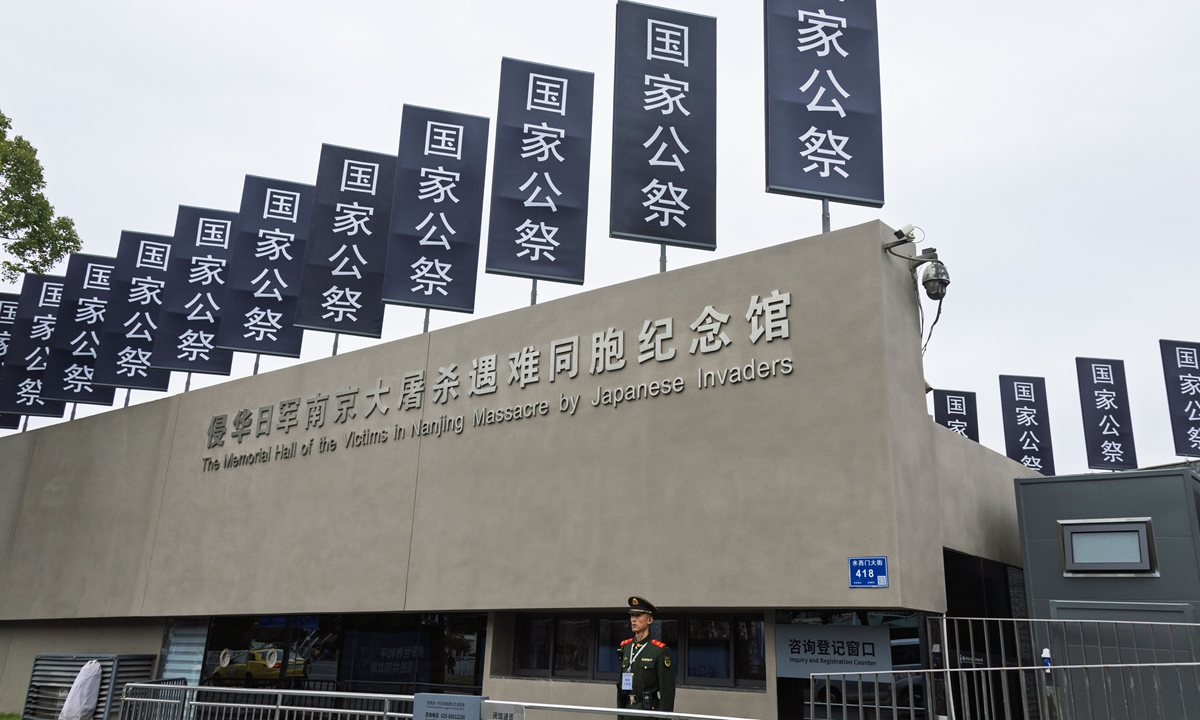
On the eve of China's 12th National Memorial Day for the Victims of the Nanjing Massacre, the Chinese Foreign Ministry ...

The National Memorial Day allows us to draw strength from shared memory and to move forward with resolve under the warnings of history.


No comments:
Post a Comment